A research perspective: findings from Everest Group 2026 patient-centricity survey
Author: Daniela Duffett, Head of Solutions Consulting, Suvoda
Snapshot
-
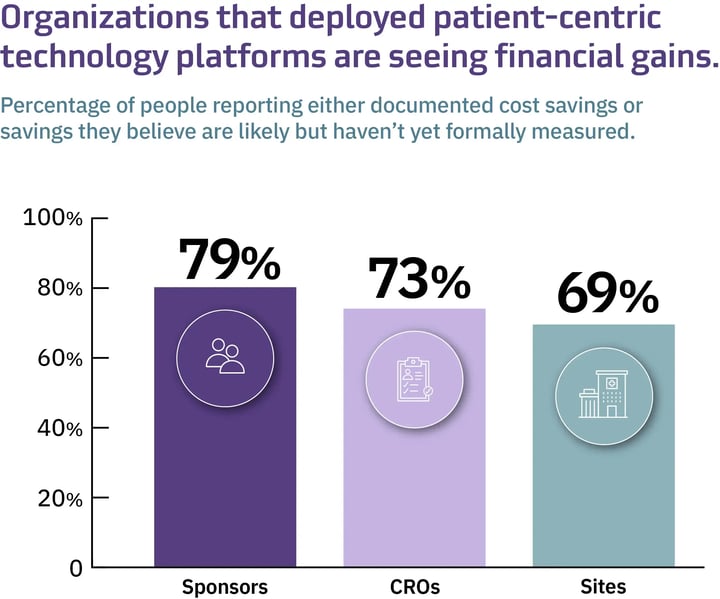
- Organizations that have deployed patient-centric platforms are seeing measurable results. Faster timelines, better data, lower costs per enrolled patient—and nearly 80% of sponsors report documented or likely cost savings.
- The gap between intent and execution remains wide. Sponsors, CROs, and sites confirm that patient centricity is a priority, but the intent hasn’t translated into consistent delivery.
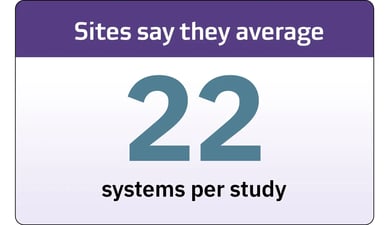
- Sites are absorbing burdens that sponsors don't always see. The average site manages approximately 22 sponsor-mandated systems per study—and 83% say that burden influences their decision to participate in trials.
The clinical trial industry has emphasized the importance of patient centricity for years. The argument is well understood: patients who experience less burden, clearer communication, and more flexible participation are more likely to stay enrolled, adhere to protocols, and complete the study. Better patient experience can drive better trial outcomes.
A new Everest Group study confirms this and shares data that takes our understanding further and highlights the gaps that still need to be tackled. It also uncovered several interesting findings such as organizations that have deployed integrated patient-centric technology report faster timelines, better data quality, lower costs per enrolled patient, and higher patient satisfaction—consistently, across five measurable KPIs. This study also examines the question of why the industry still struggles to implement patient centricity when patient-centric platforms are delivering.
Everest Group's 2026 survey of 103 sponsors, CROs, and sites across five geographies offers a detailed answer.
Broad agreement on patient centricity’s importance hasn't produced consistent execution
Patient centricity remains easier to advocate for than to operationalize: 93% of CROs, 85% of sponsors, and 82% of sites say its importance has increased. The agreement, however, has not produced consistent execution.
Governance complexity, fragmented technology environments, and unclear ownership continue to stall progress. Sponsors identify a lack of clear accountability as one of the most significant barriers to adoption. CROs point to regulatory interpretation challenges and commercial pressures. Sites, who interact directly with patients every day, often have the least influence over the protocol and technology decisions that most shape the patient experience.
The result is that patient centricity frequently becomes a shared responsibility without shared accountability.
The industry built capabilities one function at a time and ended up with a fragmented ecosystem
Over the past decade, the industry has responded to individual patient experience challenges by introducing specialized tools: consent platforms, eCOA systems, travel and reimbursement products, scheduling applications, and RTSM. Each solved an important problem. Collectively, they created a technology landscape that is sophisticated but not connected.
Only 7% of sponsors report operating a fully unified patient-centric ecosystem. The majority sit in a hybrid state, using a mix of standalone and partially integrated systems, with limited data flow between them. Organizations end up managing a series of disconnected touchpoints, and the friction that builds across them is what can drive frustration, disengagement, missed visits, and ultimately dropout.
"For a CRO, patient centricity is about engaging with patients in a meaningful way throughout the design and execution of a clinical trial." — Head of Digital Health Innovation, Large CRO
The intent is consistent across the industry. The adoption of infrastructure to support that intent at scale is not.
83% of sites say sponsor-mandated technology burden affects their decision to join a trial
The whitepaper documenting the survey results includes a finding that deserves particular attention from sponsors. Sites sit at the intersection of sponsor expectations, CRO requirements, protocol demands, and direct patient interaction. As patient-centric initiatives have multiplied, so has the complexity sites are expected to manage.
Survey respondents reported using an average 22 sponsor-mandated systems within a single study. Limited system integration was cited as a significant challenge by 71% of respondents, and 65% flagged patient reimbursement delays and staffing constraints. Sites are clear that disconnected systems and manual workarounds reduce their capacity for patient engagement. Sponsors, CROs, and tech vendors have an opportunity to reduce site burden while focusing on patient burden. The two are inseparable, and technology decisions across the ecosystem need to account for both.
Organizations with integrated platforms are outperforming those without, across key operational and financial KPIs
Organizations that have deployed patient-centric platforms reported favorable outcomes across key measurable dimensions: faster overall trial timelines, higher data accuracy and completeness, better patient adherence to study requirements, lower cost per enrolled patient, and improved patient satisfaction.
Everest Group compared responses from the 81 organizations that have experience deploying patient-centric technology platforms against the 22 that have not yet adopted such a system. The gap in expected versus realized improvement is consistent across all five KPIs: organizations with hands-on experience are significantly more confident in the value these platforms deliver.
Respondents indicated that organizations are starting to see financial gains as well. Approximately 79% of sponsors, 73% of CROs, and 69% of sites with deployment experience report either documented cost savings or savings they believe are likely but haven't yet formally measured. These solid early results are creating a virtuous cycle: among adopters, 100% of sites, 93% of CROs, and 87% of sponsors plan to increase their investment in patient-centric technology and approaches over the next two to three years. Organizations that have started are building an advantage that compounds over time.
The best patient-centric platforms take accountability for the connected experience, not just individual touchpoints
The survey asked respondents what distinguishes leading patient-centric platform providers. Five characteristics emerged with near-consensus support: proactively engaging patients throughout the journey (94%), delivering a unified patient experience (93%), operating with a continuous innovation mindset (93%), acting as a strategic partner rather than a point-solution vendor (92%), and reducing friction across both patients and sites (90%).
These responses describe a shift in what organizations now expect from their technology partners.
"The organizations that have moved meaningfully toward genuine patient centricity have made a specific organizational investment: the integration of patient input into the decision processes where it can change outcomes." — VP, Global Patient Engagement, Top 20 Pharma
At Suvoda, the survey findings reinforce the patient-centric direction we’ve been building towards, particularly as we bring Greenphire and Suvoda solutions and teams together. The goal is a connected platform that gives patients and sites a simpler, calmer experience while giving sponsors the visibility to make informed decisions across the full lifecycle of a study. By connecting traditionally separate workflows and data in one purpose-built clinical trial platform, teams can work more efficiently and respond more effectively as a study moves forward.
Listen to a recent webinar where I’m joined by the whitepaper author, Nisarg Shah of Everest Group, and my colleague, Elizabeth Smith, to discuss the findings and their implications for all of us working in clinical trials.
Author

Daniela Duffett
Head of Solutions Consulting, Suvoda
ON-DEMAND WEBINAR
What new industry research reveals about the patient-centricity gap in clinical trials
- How fragmented technology ecosystems are increasing site burden
- What the data shows about measurable improvement after deployment and why skepticism beforehand doesn't match the reality after
- Steps that sponsors and CROs can take starting now across technology, people and process to improve patient centricity in their trials